City leaders introduce historic ordinance to protect community health and climate
Newark leaders introduce a historic ordinance to stop fossil fuel expansion, cut port pollution and protect public health and frontline communities.
Newark leaders introduce a historic ordinance to stop fossil fuel expansion, cut port pollution and protect public health and frontline communities.
On Friday, May 30, California Assemblymember Jasmeet Bains (D-Delano) publicly called for Liane Randolph, chair of the California Air Resources Board (CARB), to resign. Chair Randolph’s testimony before the Assembly Utilities and Energy Committee was clear, nuanced and aligned with CARB’s long-standing mandate: to protect public health and advance clean air and climate goals.
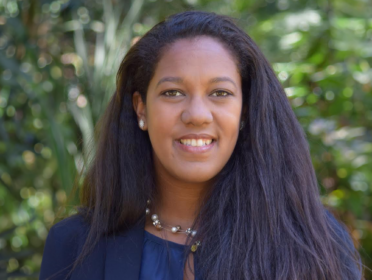
Pacific Environment welcomes Davina Hurt as its new California Climate Policy Director, effective January 30, 2025. Prior to joining Pacific Environment, Davina Hurt was appointed to the California Air Resources Board by Governor Gavin Newsom in December 2020 and served on the board for more than four years. Ms. Hurt is an attorney, two-term councilwoman and past mayor of the City of Belmont, Calif. With expertise in transportation, energy, waste management and stationary sources, Davina Hurt is dedicated to addressing environmental and social challenges through equity, innovation and bold community leadership.
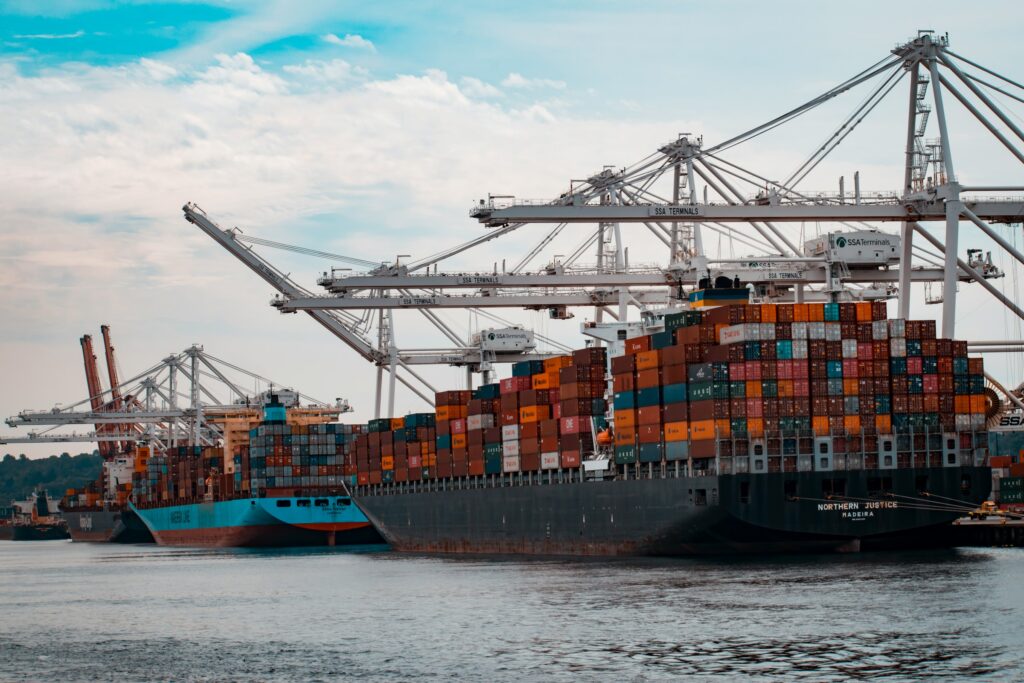
The landmark bill will direct the Department of Ecology to adopt a statewide shore power policy that will accelerate shore power installation across the state to reduce air pollution and other environmental impacts from large vessels at Washington’s ports.
The report underscores the substantial environmental and human health costs of unrestricted scrubber use, and highlights the economic, ecological and human health consequences of inaction. Without a ban on the use of scrubbers and the discharge of scrubber wastewater, or a mandate to use cleaner distillate fuels, ecosystems, ocean resources and coastal communities will continue to be threatened and human health risks will increase.
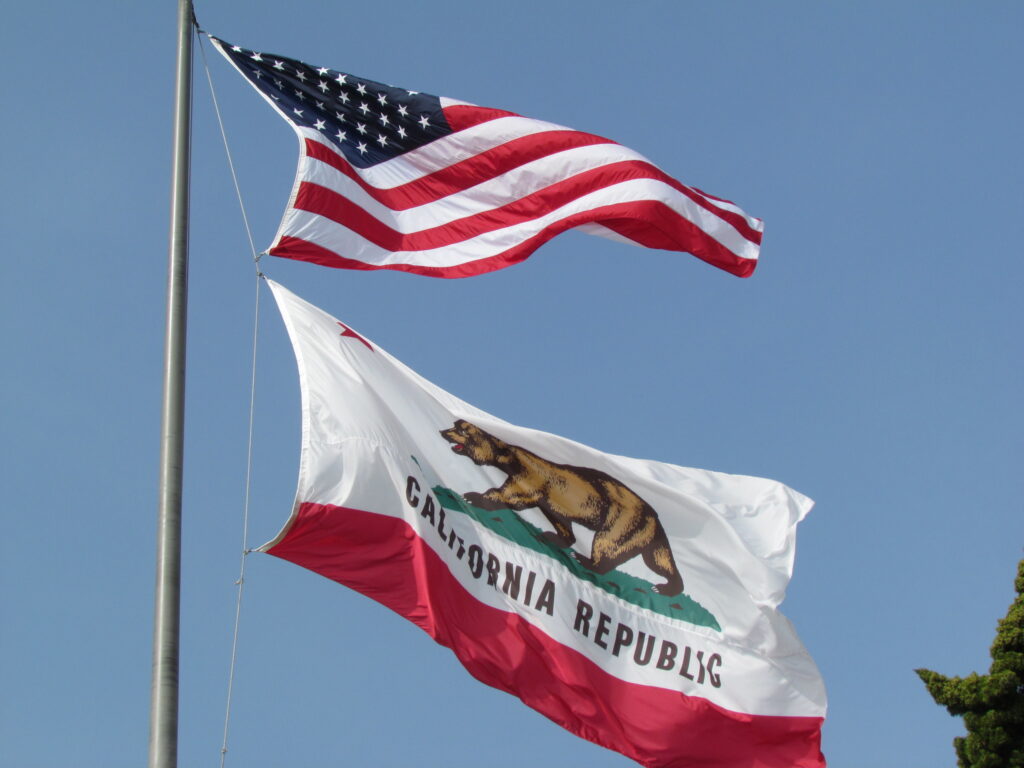
This regulation paves the way for zero-emissions harbor craft such as ferries, tugboats and workboats. This rule will significantly improve the air Californians living by the ports breathe and is yet another action by the state of California to address toxic emissions at the ports.
On November 5, 2024, voters in Washington defeated a ballot initiative that would have repealed the Climate Commitment Act (CCA), the market-based cap-and-invest program requiring the state’s largest polluters to reduce greenhouse gas emissions. More than 575 organizations in a diverse coalition including labor, Tribal, environmental and business stakeholders joined together to protect the CCA.
The U.S. Environmental Protection Agency announced the recipients of the Clean Ports Program Grants. These grants were made possible under the Inflation Reduction Act of 2022 which provided $3 billion to fund zero-emission port equipment and infrastructure as well as climate and air quality planning for U.S. ports.
The Port of Seattle became the first port in the nation to independently require that 100% of all cruise vessels homeported in Seattle be shore power capable and utilize shore power. The order passed by the Port of Seattle Commission yesterday takes effect in the 2027 cruise season, three years before the Port’s previous goal of 2030 of universal shorepower use.
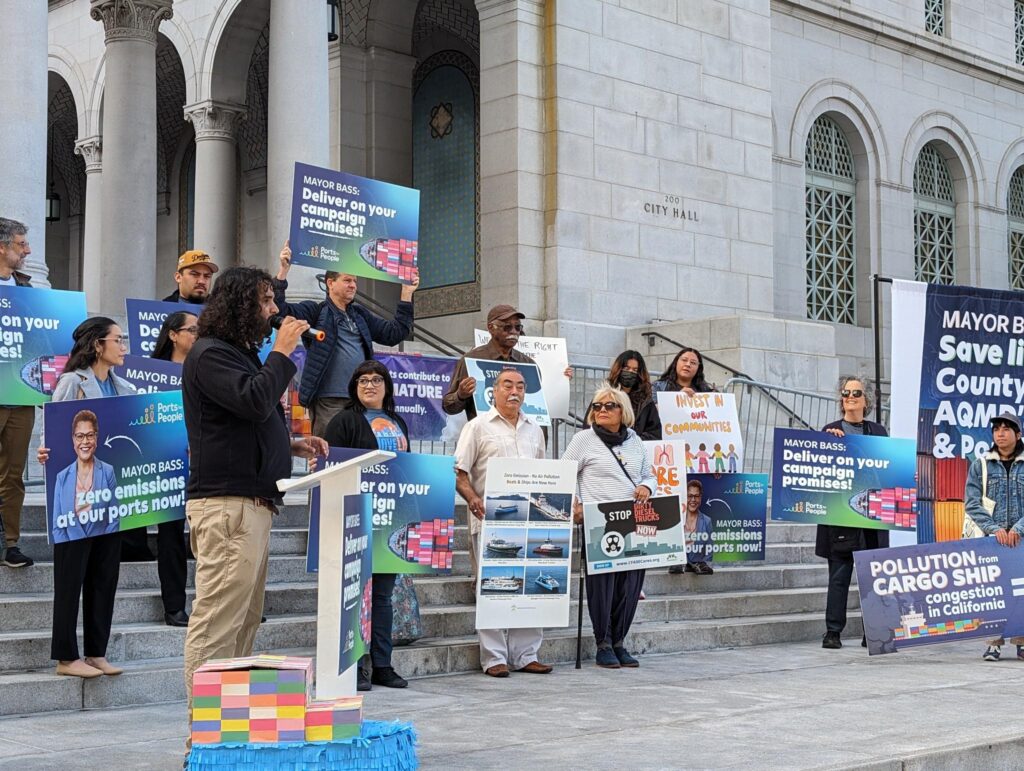
The groups held the “die-in” to highlight the urgency of Mayor Bass championing the Air Quality Management District (AQMD)’s upcoming Port and Rail Indirect Source Rules to cleanup harmful fossil-fueled ship, rail, and port emissions that have adversely affected the health of environmental justice communities in Los Angeles and Long Beach for far too long. The advocates also testified during the city council meeting.
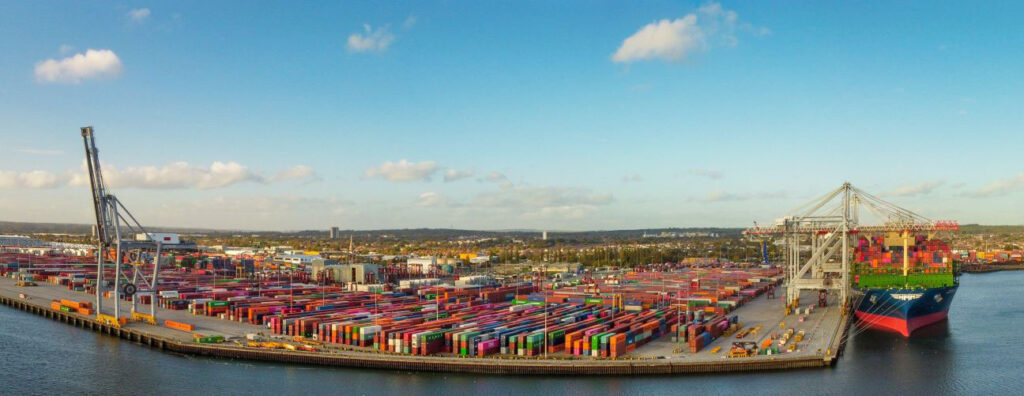
EPA is releasing two separate Notice of Funding Opportunities (NOFOs) as part of the $3 billion. The nearly $2.8 billion Zero-Emission Technology Deployment Competition will directly fund zero-emission port equipment and infrastructure to reduce mobile source emissions at U.S. ports. Eligible uses of funding include human-operated and maintained zero-emission cargo handling equipment, harbor craft and other vessels, electric charging and hydrogen fueling infrastructure, and a number of other technology investments.
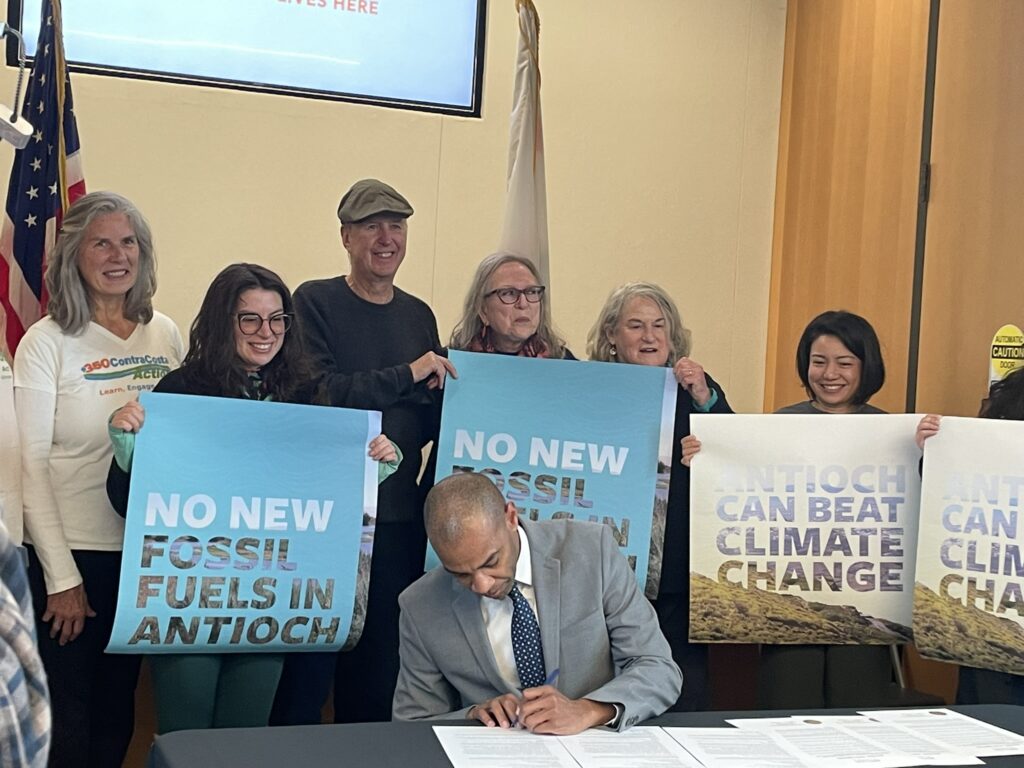
Mayor Lamar Hernandez-Thorpe made a world-leading commitment to reject public investments in new, renewed, fossil fuel infrastructure in Antioch and steer the city toward timely climate mitigation and resilience.
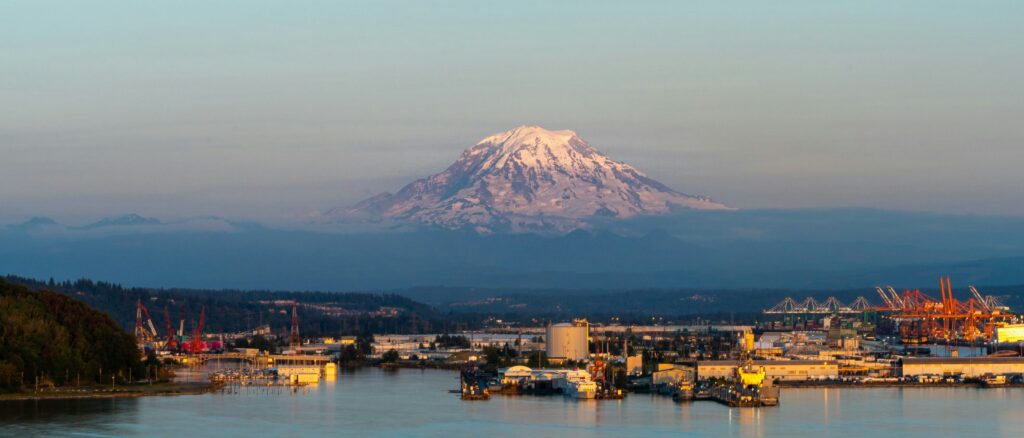
Last Friday, the City of Tacoma sent out a press statement announcing that Puget Sound Energy had requested to withdraw its permit and cancel the associated building permit for the proposed controversial Liquified Natural Gas (LNG) plant on Tacoma’s Tideflats.

Today, at the U.N. Climate Change Conference, the Ports of Singapore, Los Angeles and Long Beach announced a Partnership Strategy for a green and digital shipping corridor across the Pacific Ocean. This partnership builds on the prior commitments made by the United States and Singapore which was formalized by a Memorandum of Understanding by the ports during Singapore Maritime Week in April 2023.
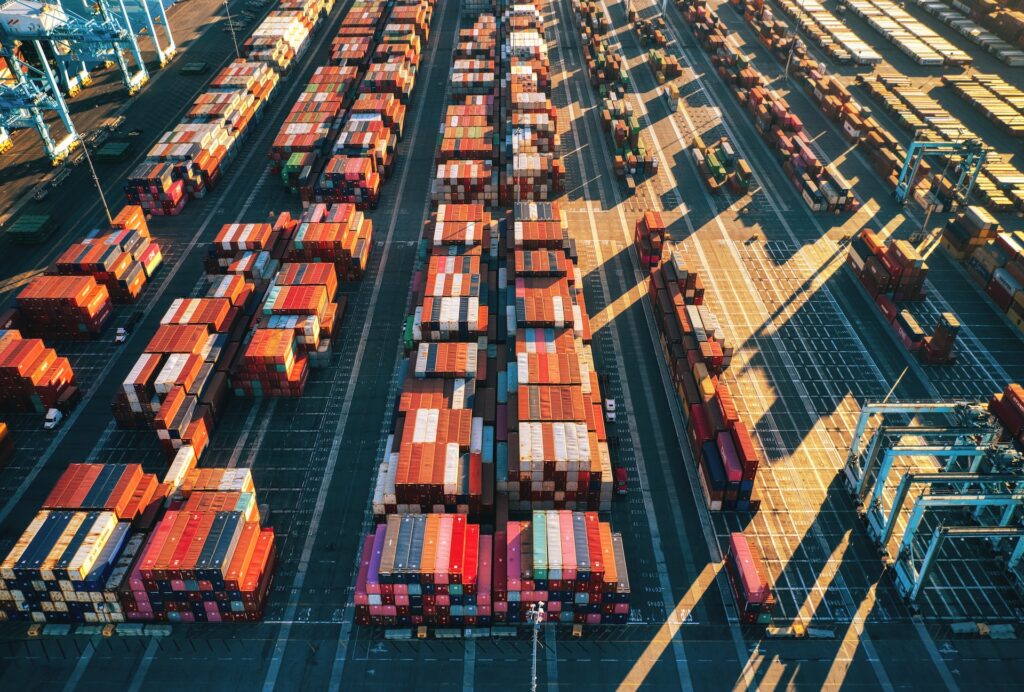
The nonprofit organizations Pacific Environment and C40 Cities, in cooperation with the ports of Los Angeles and Long Beach, hosted a Green Shipping Community Workshop today. The community event drew 90 participants and provided information on global and local shipping sector decarbonization initiatives, showcased a panel discussion with local leaders about their vision for a cleaner and greener port, and facilitated a question and answer session for the community to engage with the panelists.
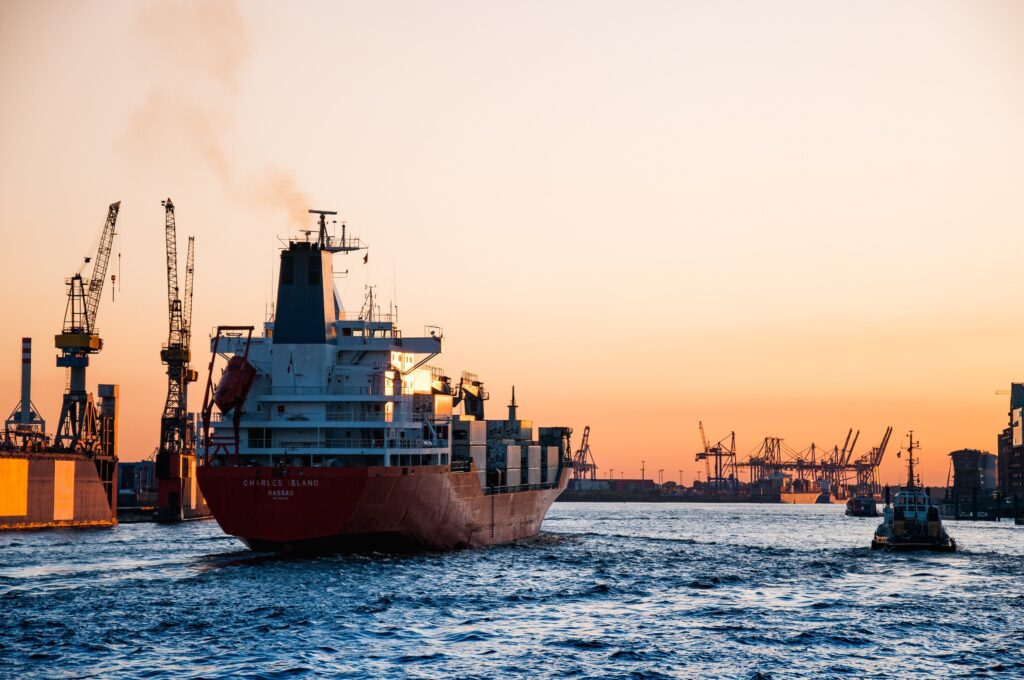
Today, the U.S. Environmental Protection Agency (EPA) approved the California Air Resources Board (CARB) waiver request for the At-berth ocean going vessel rule. This regulation is a first step towards ending fossil-fueled shipping in California waters and at the ports. The At-berth regulation is essential to reducing air pollution in California and protecting the health of millions of Californians who are most impacted by emissions from diesel-powered ships.
On September 27, 2023, Governor Gavin Newsom appointed Cliff Rechtschaffen to the California Air Resources Board. Previously, Rechtschaffen has served as a Commissioner on the California Public Utilities Commission since 2017. He also served as a Senior Advisor on Climate and Energy in the Office of Governor Brown from 2011 to 2017.
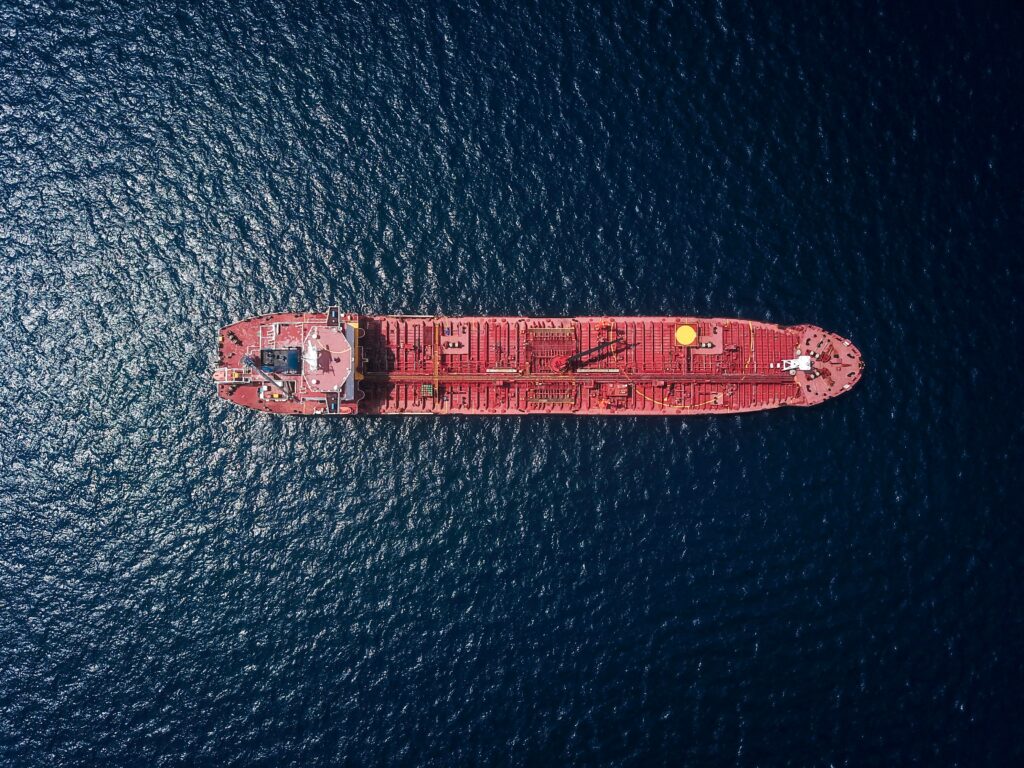
In a letter sent to President Biden on World Maritime Day, 32 organizations called for an Executive Order to decarbonize maritime shipping. The Biden administration has already made significant commitments to eliminate emissions from the shipping industry, as well as to accelerate the development of zero-emission fuels and technologies and advance environmental justice. While the administration can achieve many of these commitments through legislation, the groups say, “there are critical actions that could be taken immediately through executive action.”

In voluntary partnership with major shipping lines and cargo owners, the Ports of Los Angeles, Long Beach and Shanghai released a Green Shipping Corridor Implementation Plan Outline to accelerate emissions reductions on a key transpacific trading route.
This month, the United States’ largest port complex, comprised of the Port of Los Angeles (POLA) and Port of Long Beach (POLB), released their annual air emissions inventories for 2022, tracking air and climate pollutants across all logistics sectors of the ports, including ocean-going vessels, harbor craft, cargo handling equipment, locomotives and heavy-duty vehicles.
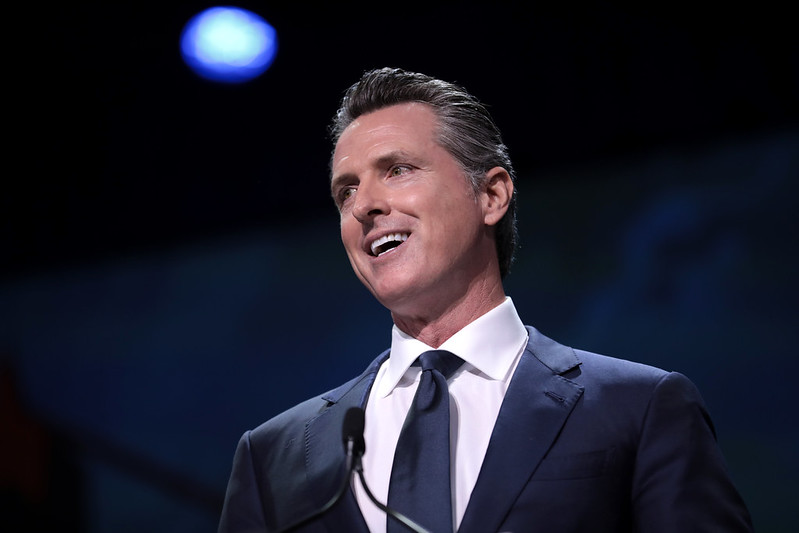
Today, in front of the United National Climate Ambition Summit hosted by UN Secretary-General, Governor Gavin Newsom highlighted California’s climate action and called out the oil and gas industry for their “continued lies.”
The Ports for People campaign is celebrating its first anniversary. The campaign was launched in September 2022 alongside a Ports for Zero-Emission Shipping Playbook to provide guidance for ports working towards a zero-emission future.
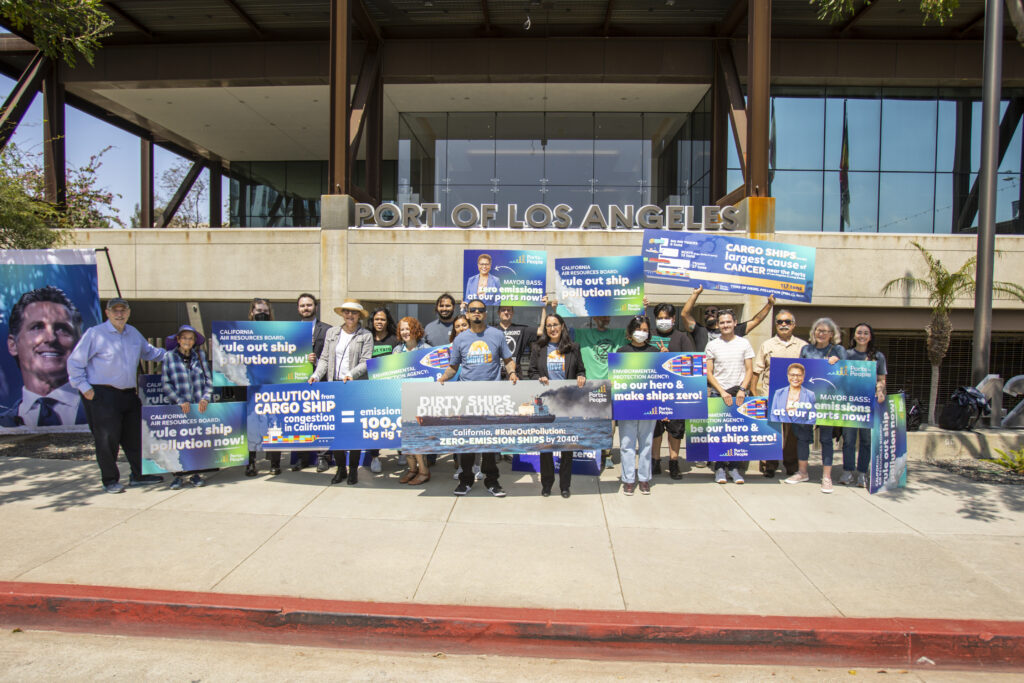
We are very excited to announce that our 2023 Grant Application is now live. Through this grant opportunity, Pacific Environment aims to fund multi-level organizations, including community-based groups, environmental justice organizations, and environmental organizations.
Governor Gavin Newsom and The Honorable Dr. Kevin Rudd, Australia’s Ambassador to the United States, announced a new climate partnership between California and Australia.
The climate crisis threatens the lives and livelihoods of people around the world, with a heavy burden falling on the shoulders of working-class communities. To advance a just, equitable and sustainable transition, it is imperative to support working-class communities and labor groups.
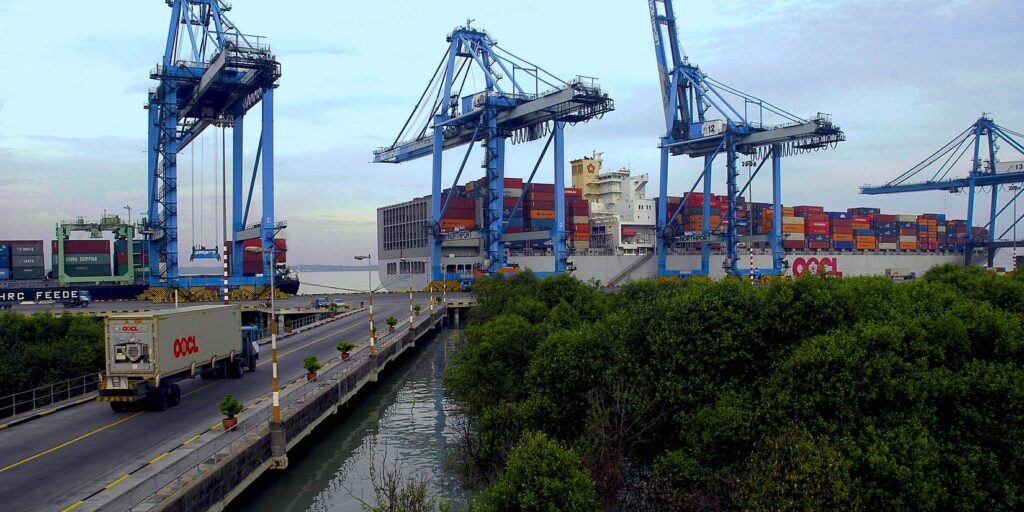
Pasha Hawaii’s second liquefied natural gas (LNG) ship, the MV Janet Marie, made its first voyage from Long Beach to Honolulu over the weekend. Leaders celebrated this ship, overlooking the fact that this decision will lock Long Beach into decades of additional fossil-fuel pollution during a dire moment of climate emergency.
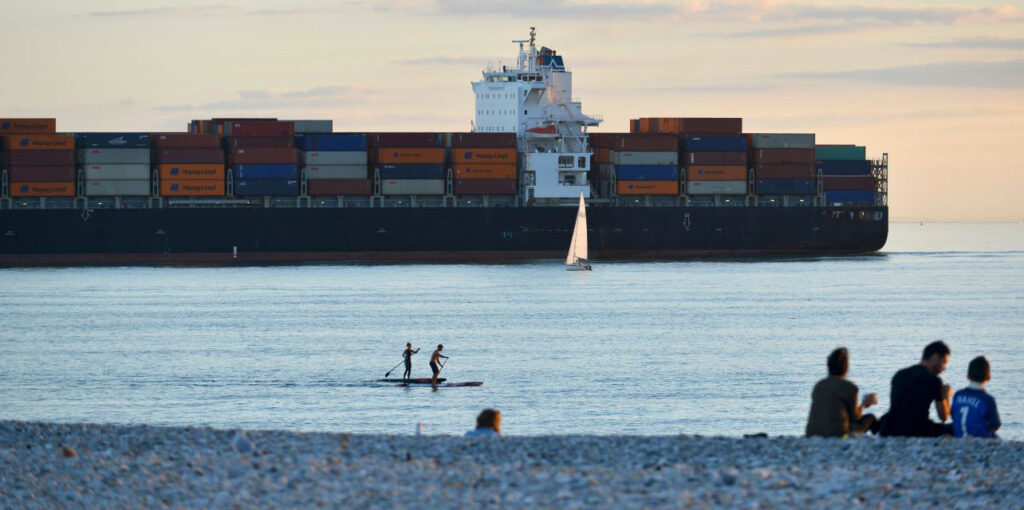
The senators and representatives signed a letter calling on the Biden administration’s Council on Environmental Quality to give “greater scrutiny” to the LNG supply chain from wellhead to shipping overseas.
Pacific Environment and Braid Theory announced a partnership to launch the “Zero-Emission Shipping Venture Studio” to support innovative technologies and solutions to achieve zero emission shipping and maritime decarbonization. The announcement occurred at AltaSea at the Port of Los Angeles during Braid Theory’s annual Ignite22 Global Tech Showcase, a conference that brings together entrepreneurs, innovators, and future thinkers to explore the blue tech industry with exhibits and demonstrations on land and in the water.
During the 2023 World ESG Forum, Pacific Environment and The Korea Maritime Institute signed a Memorandum of Understanding (MoU) outlining a vision of multi-year collaboration to accelerate zero-emission shipping and ports in the Republic of Korea, across Asia, and globally. The MoU Signing Ceremony occurred during the 2023 World ESG Forum in Jeju, Republic of Korea, titled “Human Dignity through ESG.”
Two new rules from California will shift all trucks sales and all locomotives operating in California to zero emissions, delivering a staggering $58 BILLION in health benefits to Californians.
Of the five liquefied natural gas projects in B.C. that are either under construction or in the environmental review process, two will need to pass a new provincial sniff test for greenhouse gas intensity.
One of them is FortisBC’s Tilbury Island LNG plant expansion in Delta, which is still working its way through the BC Environmental Assessment Office (EAO) review process. The other is the much larger Ksi Lisims project in Prince Rupert.
Read excerpts of Pacific Environment’s Dawny’all Heydari’s statements made at the latest Clean Air Action Plan update meeting, and click on the link to read the full article in Random Length News.
The Biden administration released a first-ever Ocean Climate Action Plan. Ocean-based solutions include, but are not limited to: green shipping, blue carbon, biodiversity conservation and protection, ecosystem protection and restoration, nature-based solutions, marine renewable energy, ocean-based carbon dioxide removal and sequestration, climate-ready aquaculture and fisheries, and other ocean-climate related actions.
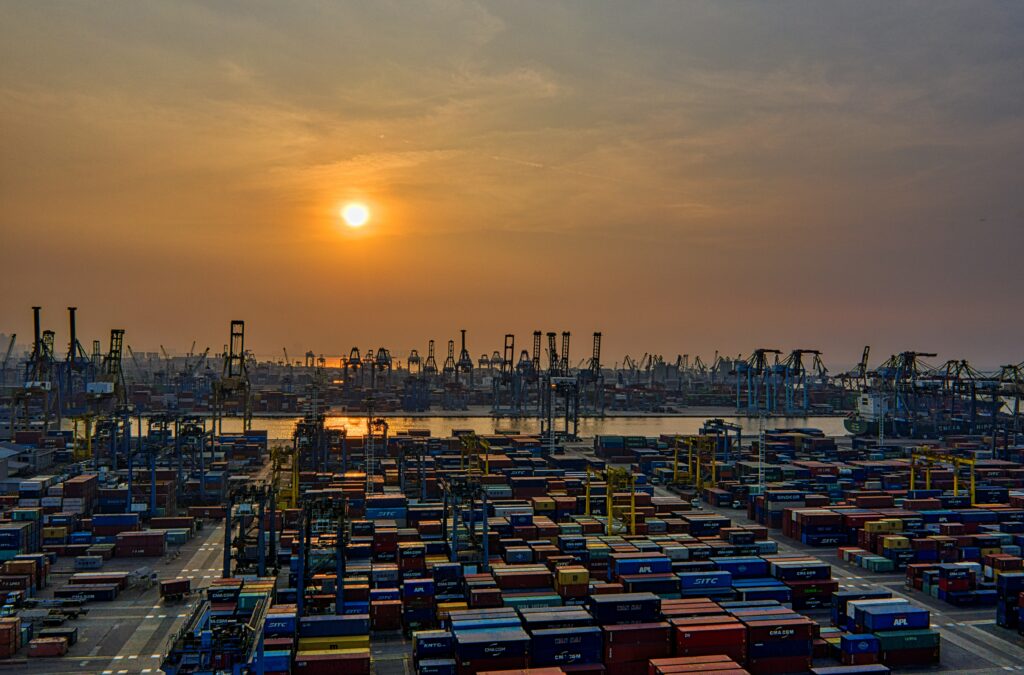
The Port of Los Angeles has entered into separate Memorandum of Understandings (MOUs) with the Port of Tokyo and the Port of Yokohama to formalize their collaboration on sustainability and environmental issues at the ports. The MOUs were finalized during the 2023 California Japan Clean Energy Trade Mission.
The governments of California and Japan announced a new collaboration to clean up pollution at seaports, commercialize zero-emission fuels and maritime technologies, and establish green shipping corridors. The Letter of Intent was signed in Tokyo on Tuesday by leadership of the Governor Newsom administration of California and the Ministry of Land, Infrastructure, Transport and Tourism of Japan (“the Ministry”).
Senior Minister of State for Transport Mr. Chee Hong Tat announced at the Ministry of Transport Committee of Supply Debate that: “From 2030, new harbor craft operating in our port waters must be fully electric, be capable of using B100 biofuels, or be compatible with net zero fuels such as hydrogen.”
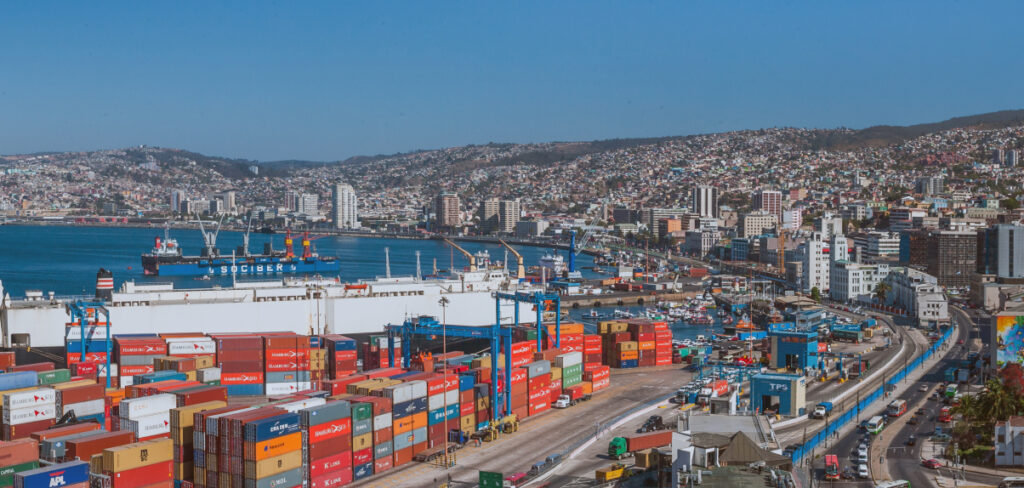
Today, California’s chief climate and air pollution regulator released a report on the status of the state’s world-first regulation to end in-port pollution from fossil fuel vessels. The report by California Air Resources Board (CARB) shows the continued success of the state’s in-port pollution regulation in protecting California port and coastal communities from significant fossil fuel pollution by requiring certain vessels to plug into shorepower while docked at ports.
During the 2023 World ESG Forum, Pacific Environment and The Korea Maritime Institute signed a Memorandum of Understanding (MoU) outlining a vision of multi-year collaboration to accelerate zero-emission shipping and ports in the Republic of Korea, across Asia, and globally. The MoU Signing Ceremony occurred during the 2023 World ESG Forum in Jeju, Republic of Korea, titled “Human Dignity through ESG.”
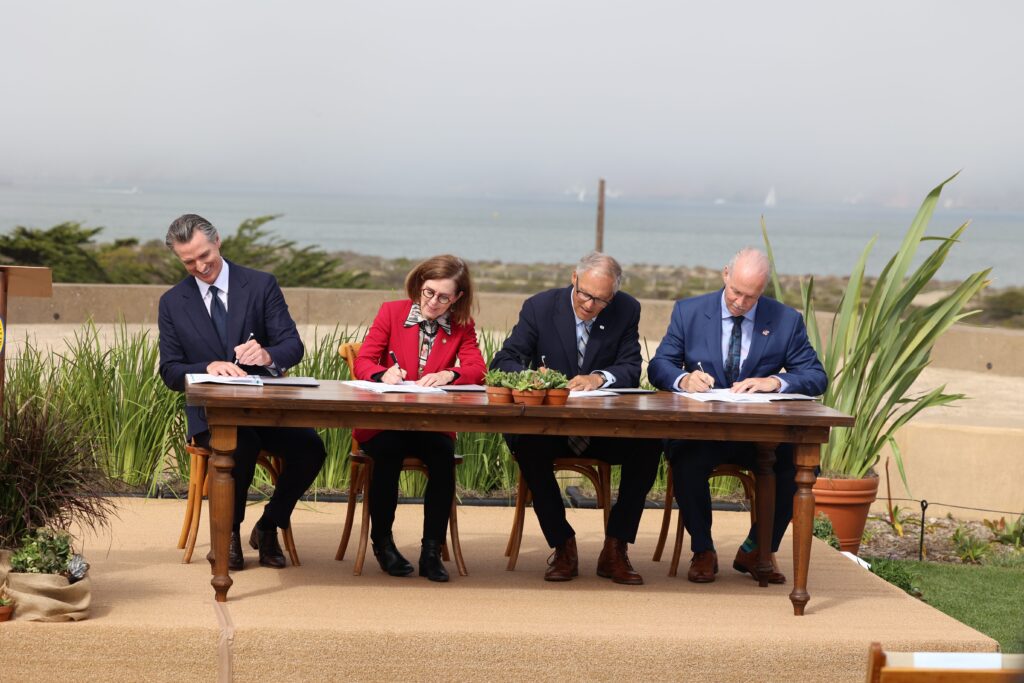
California Governor Newsom, Oregon Governor Brown, Washington Governor Inslee, and British Columbia Premier Hogan signed a new Statement of Cooperation (SOC), including a new initiative to pursue zero-carbon shipping and to decarbonize port equipment and operations.
Emissions from the UK’s international shipping activities make up more than half of the UK’s total maritime emissions. However, the UK is proposing only to regulate emissions from the domestic fleet, stating in the recent Course to Zero consultation that responsibility for regulating international emissions lies with the International Maritime Organisation (IMO).
Climate experts at a Thursday evening webinar urged China and the US to work together to reduce carbon emissions from ship and airplane traffic.
Ports need to accelerate action in the race to a zero-emission ocean shipping future, environmental organisations Pacific Environment and Opportunity Green said in a new playbook released in connection with Climate Week NYC 2022.
In this critical moment for climate action, ports have an opportunity — and a responsibility — to right the ship and move the industry onto a trajectory commensurate with the climate emergency.
The Inflation Reduction Act includes $3 billion to slash pollution from ports by electrifying machinery, plugging ships into the grid and more.
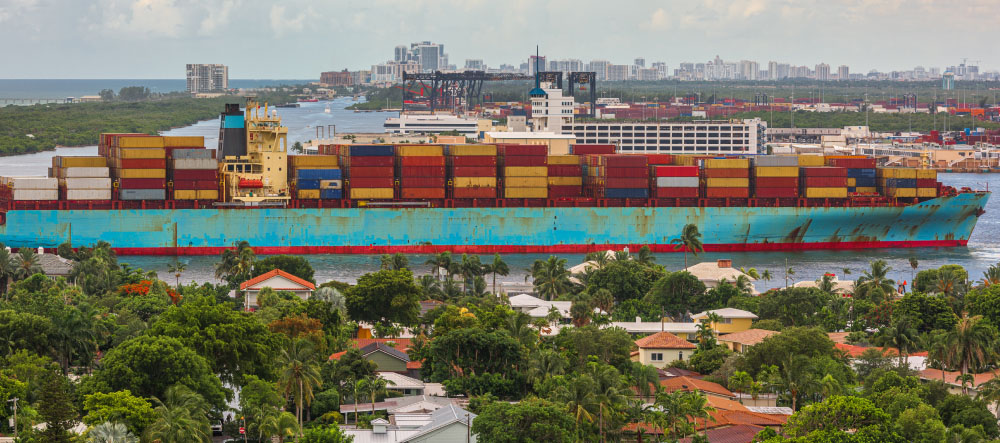
Efforts are underway to form the world’s longest green corridor to enable low and zero carbon shipping between the hubs of Singapore in the Far East and Rotterdam in Europe.
The shipping industry is discussing slow steaming as a means of reducing emissions and beginning to meet CO2 reduction targets for long-distance ocean routes. Now comes word from A.P. Moller-Maersk’s tugboat operations, Svitzer, that it has been able to achieve similar results for its tugboats during a trial program that they are rolling out across the global fleet.
The Clean Shipping Act, proposed this week in Congress, would curb CO2 pollution from shipping and accelerate the adoption of nascent technologies.
Decarbonisation is the task of the decade for the global shipping industry. This month alone, conferences in Copenhagen, Athens, Rotterdam and Montreal, and a meeting at the International Maritime Organization, have been hosting discussions on how to reduce and eliminate the shipping industry’s climate-warming pollution.
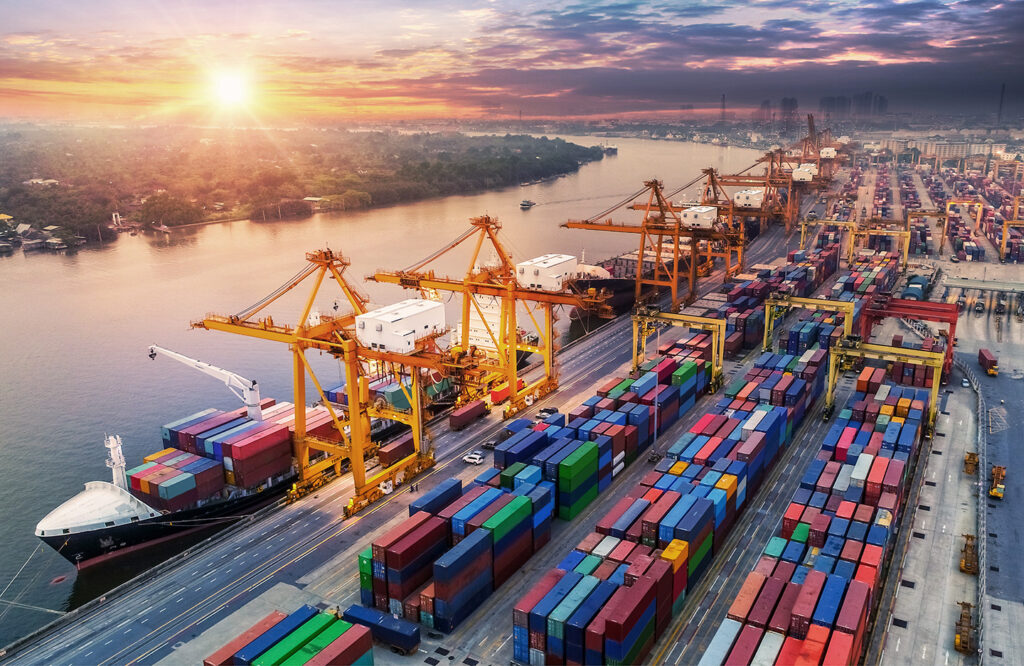
Ports of Auckland has welcomed a new addition to its fleet, with the arrival of the world’s first full size, ship-handling electric tug. Named Sparky, as voted by New Zealanders in a public vote in 2020, the e-tug ought to result in the saving of approximately 465 tonnes of CO2 in diesel emissions annually and marks another important step on the port’s plans to be totally emissions free by 2040.
Study finds 3.8% average methane slip from LNG carrier on roundtrip from US to Belgium. But about 8% of all LNG sent to the smaller generator engines ends up in the atmosphere.
“We shouldn’t have to live in fear just so gas executives like Michael Smith can get rich,” said one local resident, referring to Freeport LNG’s CEO.
Greenhouse gas has undergone rapid acceleration and scientists say it may be due to atmospheric changes
Infrared images show unburned methane – a potent greenhouse gas – being released from supposedly ‘green’ LNG ships, a damning new investigation by Transport & Environment (T&E) shows. European politicians are playing with fire in their support for LNG, says T&E, with methane over 80 times more climate warming than carbon dioxide over a 20-year period.
The likelihood that more US liquified natural gas projects will be built because of the war in Ukraine should prompt US regulators to pay closer attention to the potential climate impacts, according to a report from an environmental advocacy group.
Methane leaks from ships using liquefied natural gas as fuel make most of the vessels dirtier than ones using diesel or heavy fuel oil, a new analysis shows.
Southern California still suffers the nation’s worst-polluted air but it also has a decades-long record of success in fighting smog, which has been achieved largely through stringent regulation, not by cutting deals with polluters. AQMD leaders have shown with recently adopted rules on oil refineries and warehouse logistics centers that they have the authority and political will to take meaningful action against some of the region’s most powerful industries. They can and should do the same with the ports.
A.P. Moller – Maersk (Maersk) announces new aspiring emissions targets expected to align the company with the Net Zero criteria of the Science Based Targets initiative (SBTi) pathway to limit global warming to 1.5°C. They include a societal commitment to act now and drive material impact in this decade, and a commitment to deliver net zero supply chains to customers by 2040.